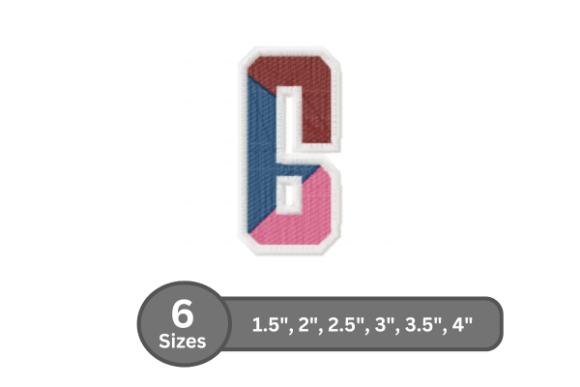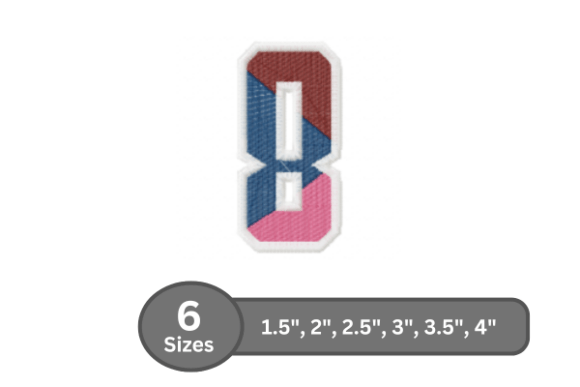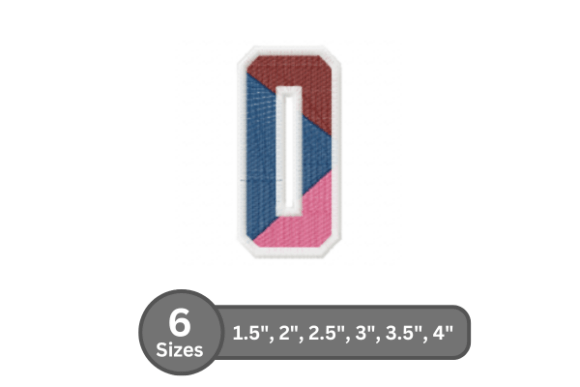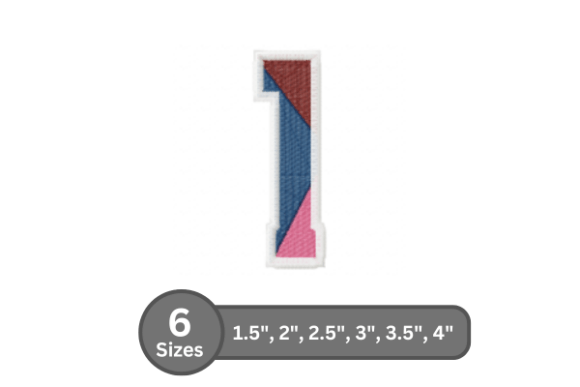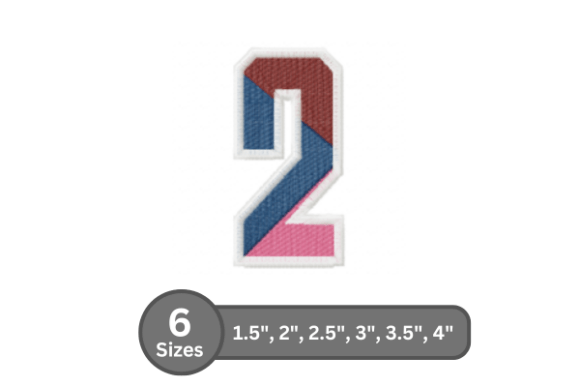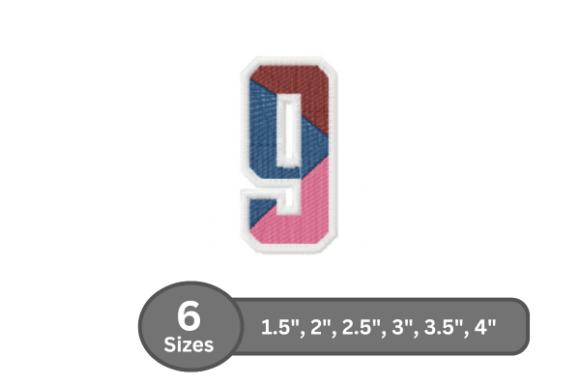
Street Varsity Number -9 Review
A Professional Embroidery Designer’s Take on Real-World Brand Use
As an embroidery designer who’s developed hundreds of commercial designs for small businesses—from neighborhood bakeries to indie florists and craft studios—I approached Street Varsity Number -9 with a very specific question: Does this machine embroidery design deliver brand-ready impact—not just visual appeal—on uniforms, patches, caps, and everyday merch? The answer is yes—but with important context.
First Impression: Bold, Confident, and Unmistakably Street-Smart
The name Street Varsity Number -9 immediately signals energy and authenticity. It doesn’t whisper—it leans in. This isn’t a delicate script or minimalist sans-serif; it’s a stitched font built for visibility, rhythm, and character. Based on the description—a “stylish stitched font” designed for monograms and personalization—it reads as modern yet grounded, athletic but approachable. For a small business, that duality is gold: it feels handmade without sacrificing polish, youthful without seeming juvenile, and distinctive without alienating broader audiences.
Where Street Varsity Number -9 Shines in Small Business Merch
This design excels where clarity, consistency, and brand reinforcement matter most:
- Embroidered patches: Its strong letterform holds up beautifully at 2–3 inches wide—ideal for sew-on or iron-on patches on tote bags, denim jackets, or staff aprons.
- Cap embroidery: On structured front panels (especially curved bill fronts), the bold strokes resist distortion better than thin or ornate fonts. Just avoid pushing below 1.75" height unless you’ve tested stitch integrity.
- Apron embroidery and work shirts: Paired with a simple business name or logo, Street Varsity Number -9 adds personality without clutter—perfect for café baristas, boutique stylists, or pet groomers wanting a subtle numeric accent (e.g., “Batch #9”, “Est. 2024”, or “Team Nine”).
- Tote bag design and product packaging accents: At medium sizes (2.5–4"), it anchors minimalist layouts while reinforcing memorability. Think: “Loaf #9” on a bakery tote or “Bloom Series – 9” on floral workshop swag.
- Custom apparel for local events: Whether it’s a street fair booth, farmers’ market tent, or studio open house, Street Varsity Number -9 delivers instant cohesion across caps, t-shirts, and banners—even when used alone as a standalone mark.
Use With Care: Practical Limits Every Embroidery Shop Should Know
Not every application is equal—and Street Varsity Number -9 has boundaries worth honoring:
- Avoid sub-1.5" patch sizes unless you’ve verified the file’s small-scale performance. Tight curves and interior negative space can collapse or fill in unexpectedly.
- Curved surfaces demand testing: Caps, sleeves, and contoured tote straps compress stitches. Run a physical sample before bulk production.
- Dark uniforms and textured fabric (like heavy canvas or terry cloth) need high-contrast thread colors and possibly extra stabilizer to prevent shadowing or puckering.
- Frequent washing means stitch density matters. If the file uses dense fill or tight satin borders, confirm durability on cotton-poly blends and twills—especially for aprons and staff shirts.
- School category alignment is intuitive (varsity spirit, team pride), but don’t assume automatic fit for academic branding. Review whether the tone matches your institution’s voice—some schools prefer cleaner, more formal typography.
How Street Varsity Number -9 Strengthens Brand Identity
In small business branding, consistency builds trust—and Street Varsity Number -9 supports that mission when used intentionally. Its confident presence elevates handmade products by signaling intentionality and craft-level attention. Customers notice when a number isn’t just printed, but stitched: it implies care, longevity, and human touch. Used across multiple touchpoints—apron, cap, tote, even packaging tags—it creates visual rhythm that reinforces recognition faster than words alone.
For Etsy sellers and craft brands, it adds narrative weight: “#9” becomes part of your origin story (“Our ninth collection”, “Ninth-year anniversary”), turning a digit into a signature. And because it’s a machine embroidery design, not a generic font, it avoids the “off-the-shelf” look that dilutes perceived value.
Essential Embroidery Designer Notes Before You Stitch
Before committing to production, run these checks—every time:
- Test in black and white first: Eliminate color bias and assess legibility, spacing, and balance.
- Verify small patch performance: Resize to your target dimensions and inspect stitch paths in your embroidery software.
- Review thread color contrast against your base fabric—especially on darks or heathers.
- Check letter spacing and kerning: Does the “9” hold its shape next to other letters or symbols? Will it pair cleanly with your logo or business name?
- Confirm hoop size compatibility with your machines—and whether the design fits within standard commercial hoops without re-hooping.
- Test on real fabric, not just stabilizer: Fabric texture changes everything. Try it on your most common substrate—canvas, twill, denim, or cotton poplin.
- Use appropriate stabilizer: Medium-weight cutaway works best for structured items like caps and patches; tear-away suffices for stable cotton totes.
- Create a printable mockup for client approval—especially if Street Varsity Number -9 anchors a larger branded system.
- Compare beside your existing design assets: Does it harmonize with your logo, icons, and typography—or create unintended visual tension?
- Confirm commercial licensing before using in client work, wholesale orders, or digital embroidery file resale. Not all embroidery files permit unlimited business use.
Ultimately, Street Varsity Number -9 isn’t just another alphabet file—it’s a versatile, brand-forward embroidery file with real utility for small business merch, custom apparel, and professional embroidered patch programs. When applied thoughtfully, it transforms a simple number into a memorable, tactile expression of identity—one stitch at a time.