Smile Patch – Happy Face
A Designer’s First Stitch Test: Warmth, Clarity, and Real-World Gift Potential
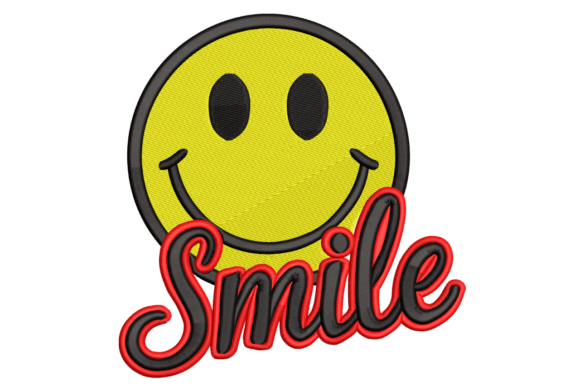
As an embroidery designer who’s stitched over 300 custom gift collections—from newborn nursery sets to wedding keepsakes—I opened Smile Patch – Happy Face expecting charm. What I found was something more: instant emotional resonance. The design lands with a quiet confidence—playful but not childish, nostalgic but not dated, simple but thoughtfully constructed. That iconic yellow smiley face paired with the word “Smile” in clean script strikes a rare balance: it feels handmade without sacrificing polish, cheerful without tipping into cutesy overload. It reads as joyful, inclusive, and gently uplifting—ideal for customers seeking warmth over whimsy.
Where This Design Truly Shines (and Who Will Love It)
Smile Patch – Happy Face isn’t just versatile—it’s emotionally intuitive across life moments. For baby embroidery, it softens beautifully on organic cotton blankets or muslin swaddles, offering gentle positivity without overwhelming delicate themes. On embroidered towels—especially kitchen or guest hand towels—it adds personality while staying practical and easy to read at a glance. Pillow covers? A natural fit. The balanced proportions hold up well centered on linen or cotton blends, making it ideal for nursery decor or cozy living room accents.
Wedding gift designers will appreciate how subtly celebratory it feels—no hearts or doves required. Stitched onto a linen apron or monogrammed tote bag for the couple’s first shared kitchen, it whispers “joy in the everyday.” Small shop owners and Etsy sellers can use it across multiple listings: as a standalone motif on onesies, as a coordinating accent beside names on personalized blankets, or even as a sweet detail on handmade baby milestone cards (digitally printed + embroidered).
It also works exceptionally well for school-themed items—not as literal curriculum gear, but as uplifting accessories for teachers, students, or staff: think embroidered lanyards, pencil pouches, or classroom welcome banners where tone matters as much as content.
Smart Placement Matters: Where to Use It Thoughtfully
This design thrives on stable, medium-weight fabrics—but like any strong machine embroidery design, it asks for intention. Avoid using Smile Patch – Happy Face on highly textured surfaces like thick terry cloth towels *without* extra stabilizer support; the smiley’s curves may blur if the fabric shifts mid-stitch. Similarly, stretchy baby clothes (like ribbed knit onesies) require careful hooping and lightweight cutaway stabilizer—otherwise, the script lettering risks distortion.
Small lettering demands attention: the “Smile” script is legible at 3–4 inches wide, but below 2.5 inches, test thoroughly—especially on dark fabric. The yellow smiley relies on contrast; on navy or charcoal, you’ll want high-sheen thread or a subtle satin stitch fill to maintain brightness. And never skip testing on curved surfaces (like mugs with fabric sleeves or rounded pillow forms)—the design’s symmetry can warp if not digitized with gentle contour compensation.
Why It Elevates Your Handmade Product—and Your Customer’s Experience
Giftability starts long before packaging. Smile Patch – Happy Face boosts perceived value because it communicates care—not just craft. Buyers recognize sincerity in clarity and balance. When stitched cleanly, it signals professionalism and attention to detail, building trust faster than generic motifs. That emotional connection translates directly to engagement: customers linger longer on product photos featuring this design, share images more readily, and often add complementary items (“I’ll get the matching towel *and* pillow cover”).
For Etsy sellers and digital embroidery file creators, it’s also a strong anchor for bundles—pair it with neutral fonts or minimalist borders to create cohesive seasonal collections. And because it avoids trend-driven clichés, it photographs consistently well across lighting setups, making your printable mockups feel authentic and your finished product look reliably polished.
Practical Embroidery Notes Every Maker Should Confirm
Before stitching your first customer order, run these checks:
- Test on scrap fabric—especially if using a new thread brand or stabilizer combo.
- Verify thread color contrast on both light and dark fabric swatches; yellow thread behaves differently on ivory vs. oatmeal.
- Confirm hoop size compatibility—this design fits comfortably in a 4x4 hoop, but double-check your machine’s native format limits.
- Review stitch density—dense fills support durability, but overly tight stitching on lightweight fabrics can cause puckering.
- Use appropriate stabilizer: medium-weight tear-away for cottons, cutaway for knits, and optional topping for napped fabrics like fleece.
- Compare light/dark fabric mockups side-by-side—not just for visibility, but for mood shift (e.g., yellow-on-navy feels modern; yellow-on-cream feels tender).
- Inspect small details post-stitch: ensure the smiley’s eyes and curve remain crisp, and that the script’s terminals don’t feather.
- Confirm commercial licensing before selling finished products—this is essential for small shop owners, wedding gift designers, and baby product creators alike.
Remember: a great machine embroidery design doesn’t just stitch well—it invites connection. Smile Patch – Happy Face does exactly that: quietly, warmly, and with unmistakable craftsmanship. Whether you’re prepping for a craft fair, updating your Etsy embroidery file shop, or designing a custom baby blanket for a longtime client, this design earns its place—not as filler, but as feeling made visible.