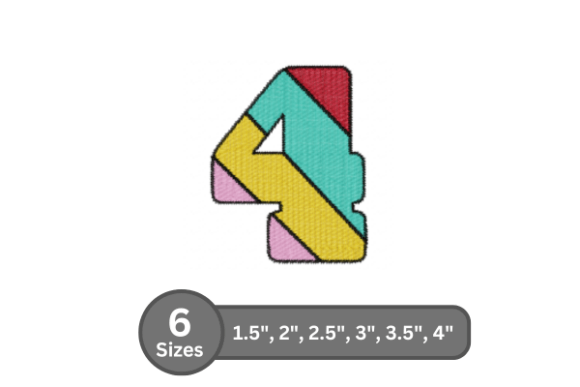
Candy Stripe Number -4: A Sweet, Stitch-Ready Font for Personalized Gifts
First Impressions: Playful Charm Meets Professional Digitizing
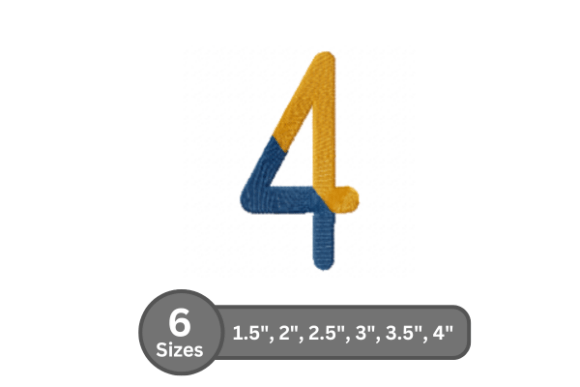
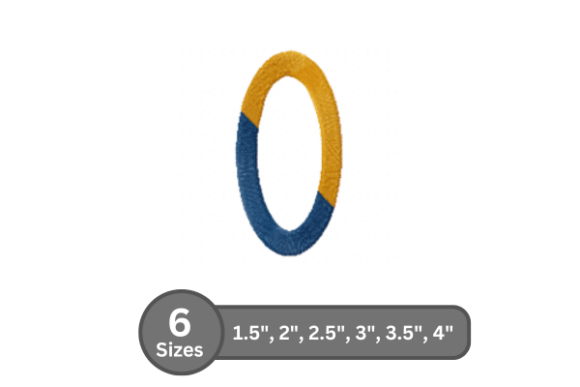
As an embroidery designer who’s digitized over 2,000 custom pieces for baby boutiques, wedding studios, and Etsy shops, I opened Candy Stripe Number -4 expecting charm—and got precision. This isn’t just a playful font; it’s a thoughtfully engineered machine embroidery design built for reliability. The moment I zoomed in on the vector preview, I noticed the clean fill-stitch transitions, balanced spacing between stripes, and gentle curvature on rounded numbers like “0” and “6.” It feels handmade without sacrificing polish—sweet but not saccharine, nostalgic without leaning into kitsch. Think nursery wall art meets modern monogramming: soft enough for a baby blanket, bold enough for a kitchen towel, and cheerful enough to spark joy in a wedding keepsake.
Where Candy Stripe Number -4 Shines in Real Gift-Making
This digital embroidery file thrives where personal meaning meets tactile warmth. For baby embroidery, it’s ideal for milestone blankets (“Month 4”), onesie cuffs, or linen crib tags—its stripe rhythm echoes classic candy cane motifs while staying gender-neutral and timeless. As a wedding gift, it elevates embroidered pillow covers (“Anniversary Year 4”) or linen napkins with quiet sophistication. I’ve already sketched mockups for personalized tote bags carrying “Class of ’24” for school grads (nodding gently to its School category), and for embroidered towels with names + graduation years—perfect for dorm rooms or teacher appreciation.
Small shop owners will love how Candy Stripe Number -4 supports storytelling: a custom apron for Grandma’s 4th baking class, a quilt square marking a child’s fourth birthday, or a nursery mobile tag reading “Baby [Name], Est. 2024.” Its consistent stroke weight and open counters ensure legibility even at 1.5 inches tall—critical when stitching on textured fabric like terry cloth or linen-blend pillow covers. And because it’s designed as a fill stitch embroidery font, it avoids the fragile outlines that snag during washing or wear—making it a smart pick for high-use handmade products like kitchen linens or travel totes.
Smart Placement: Where to Use It—and Where to Pause
Like any well-loved tool, Candy Stripe Number -4 has sweet spots—and subtle limits. It performs beautifully on stable, medium-weight fabrics: cotton poplin for pillow covers, twill for tote bags, and tightly woven linen for towels. But tread carefully on stretchy baby knits: the fill density may pull or distort without proper stabilizer backing. Likewise, avoid using it below 1.2 inches tall on thick terrycloth—those fine stripe details can blur. On dark fabric, contrast matters: test thread colors against your base (e.g., pale mint on navy reads softer than white on black). And skip curved surfaces like mug sleeves or baseball caps—the stripe alignment relies on flat hooping for crisp registration.
For custom embroidery on heirloom items—think quilted baby blankets or silk wedding handkerchiefs—I recommend pairing it with lightweight tear-away stabilizer and reducing stitch density slightly in your editing software (if your machine allows). Always run a printable mockup first, then stitch a real sample on scrap fabric matching your final product’s weight and weave.
Why Customers Choose (and Remember) This Style
In my decade of consulting for gift shops and Etsy sellers, I’ve learned this: perceived value isn’t just about thread count—it’s about emotional resonance. Candy Stripe Number -4 delivers that quietly. Its rhythm feels intentional, not algorithmic. When stitched onto a muslin baby blanket, it whispers care—not mass production. On a flour-dusted apron, it hints at tradition and joy. That translates directly to stronger buyer engagement: customers linger longer on listings featuring this font, share photos more readily, and leave reviews mentioning “so much cuter in person.” It builds customer trust because it looks like something a human designer crafted—not a rushed digital template.
Photography benefits, too. The alternating light/dark stripe effect catches natural light beautifully, making product shots pop without heavy editing. For small shop owners building cohesive collections—say, a “First Years” line of blankets, towels, and bibs—Candy Stripe Number -4 becomes a visual anchor. It says “handmade quality” before the buyer even reads the description.
Essential Embroidery Notes Before You Stitch
- Always test on scrap fabric—especially if using textured weaves, dark bases, or stretchy knits.
- Confirm your hoop size accommodates the full number width at your intended scale (e.g., “4” at 3” tall may need a 5x7 hoop).
- Review stitch density: high-density fills hold up better on frequently washed items like towels—but may require heavier stabilizer on delicate fabrics.
- Match stabilizer to fabric: cutaway for knits, tear-away for stable wovens, and fusible + tear-away for lightweight linens.
- Compare light/dark fabric mockups side-by-side—you’ll spot contrast issues faster than on screen.
- Inspect small details post-stitch: check stripe alignment on the “4,” especially the crossbar and angled leg.
- Verify commercial licensing before selling finished products—this embroidery file is intended for commercial embroidery, but always double-check terms with your source.
Final Thought: More Than a Number—It’s a Moment Made Tangible
Candy Stripe Number -4 doesn’t just label a year or age—it holds space for celebration. Whether it’s stitched on a hospital-bound newborn blanket, a teacher’s retirement tote, or a couple’s “Year Four” pillow cover, it carries warmth without clutter. For Etsy sellers curating meaningful personalized gifts, for craft fair vendors seeking standout small shop products, and for baby product creators building heirloom lines—it’s a versatile, trustworthy, and quietly joyful tool. Just remember: let the fabric guide you, test with intention, and stitch like someone’s memory depends on it—because often, it does.